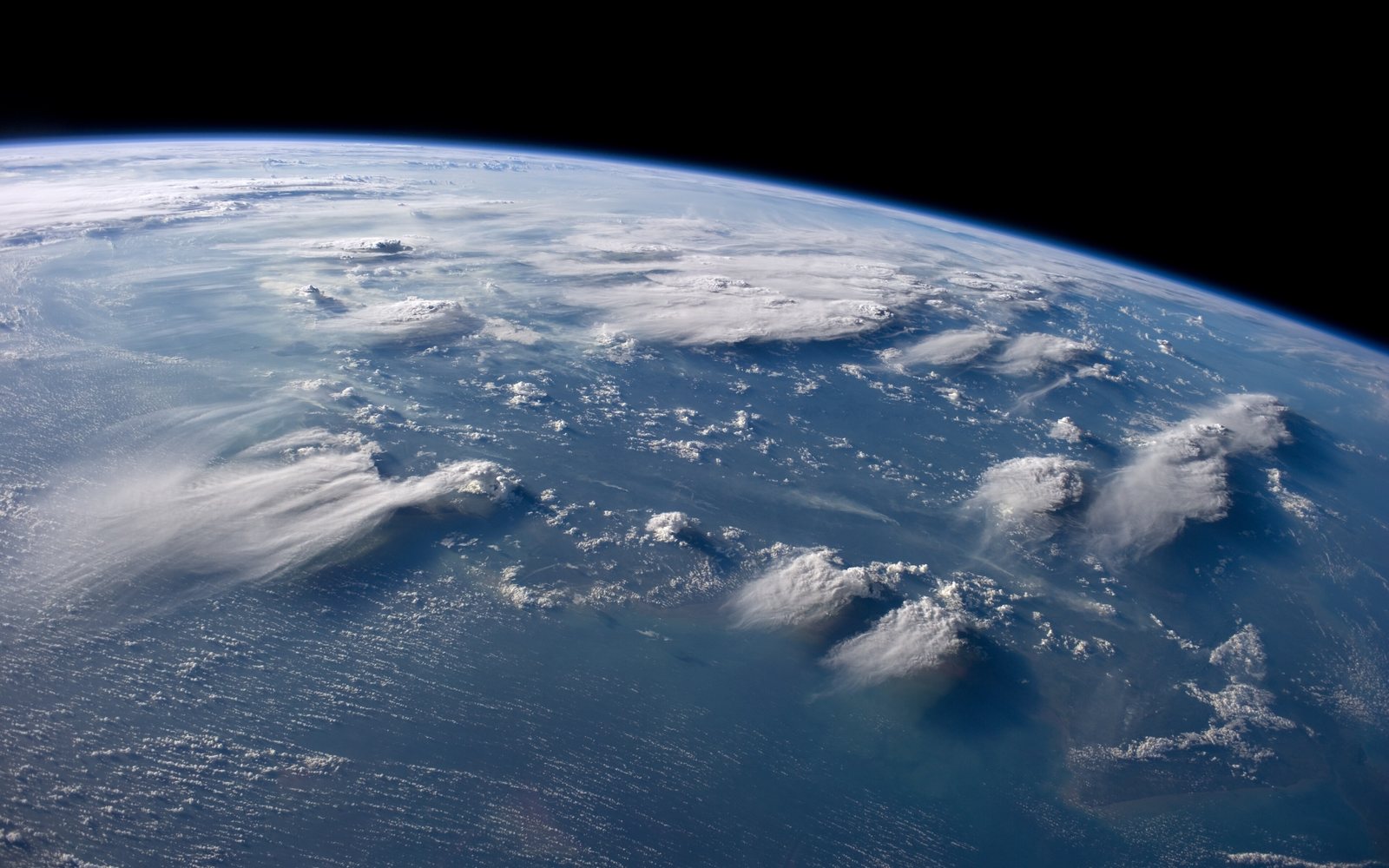
Earth's limb from the ISS, cover for TerraGuard
Earth's limb from the ISS. Photo by NASA/Expedition 40 crew member, Public domain
All workTrustworthy AI, trust core

TerraGuard

An integrated trustworthy-AI platform for Earth systems

The same question he asked of chatbots, asked of a whole ecosystem: how much should you trust this machine right now?

Role
Founder and lead scientist
When
2026, in development
Grades
G12
Earth spheres
5Earth spheressun, atmosphere, hydrosphere, biosphere, geosphere
trust mechanisms
4trust mechanismscalibration, explanation, abstention, monitoring
fused readout
1fused readoutan ecosystem stress index for the DMZ and Gapyeong

In brief

The problem
Environmental models are usually shown as confident single numbers. When a fire-risk, water-quality or solar-storm forecast is confidently wrong, the people relying on it have no warning. Eleven separate projects had each solved a piece of this, but nothing tied them together.
The spark
Looking back over his record, Wonjun noticed he had built the same machine three times without naming it: AI Guard stops a language model from being confidently harmful, the F10.7 forecaster states how sure it is with conformal intervals, and Maieutic AI refuses to hand a student a wrong answer. TerraGuard asks that question a fourth time, about the place he calls home.
The outcome
Scoped in June 2026 and in active development as a deployed web application, with a public dashboard, alerts, restoration-priority maps and short policy memos as outputs.

Method

How it was done, step by step.

  1. 1Five data streamsSun (F10.7 solar flux), atmosphere (NASA FIRMS fire detections, Sentinel imagery, regional weather), hydrosphere (the club's own TDS and conductivity sensor logs), biosphere (UAV species-level vegetation maps) and geosphere (CaCO₃ and restoration modelling).
  2. 2One model per sphereEach stream runs a model he already built: the F10.7 ensemble, the UAV vegetation classifier, a water-quality regression, plus one new fire-risk model.
  3. 3Calibrated uncertaintyEvery output is wrapped in split conformal prediction, the technique from the F10.7 research, so each number comes with a statistically valid interval.
  4. 4ExplanationFeature attribution on every prediction shows which inputs drove the score, extending the four-layer explainability suite from the solar work.
  5. 5AbstentionWhen inputs drift out of distribution, models disagree, or intervals blow wide, the trust core withholds the prediction and says why: AI Guard's refuse-or-warn behaviour, generalised.
  6. 6Fusion and readoutA single ecosystem stress index for the DMZ and Gapyeong region, decomposable by sphere and always shown with its confidence band.

01The pattern

One question, built three times

AI Guard, the F10.7 forecaster and Maieutic AI look like three unrelated projects: a security product, a space-weather study and an education tool. Underneath, each answers the same question. How do you make a probabilistic machine safe to trust when being confidently wrong is dangerous? A chatbot that confidently says something harmful, a forecast that confidently gives a false all-clear before a solar storm, a tutor that confidently teaches the wrong answer. TerraGuard is the moment he named the pattern and built it on purpose.

02The inputs

Every past project becomes a data stream

Nothing in TerraGuard is invented for show. The solar stream is his F10.7 research. The water stream is the monitoring device his club built and carries into the DMZ each month. The vegetation stream is the UAV classifier from the Donggeomdo tidal flats. The carbon layer comes from the ultrasound CaCO₃ work and the club's EM and calcium carbonate restoration trials. The only genuinely new build is the fire and air layer. Each stream is labelled with how fresh its data is, which is itself a trust feature.

03The core

A model that can say I don't know

The trust core wraps every sphere model with four mechanisms. Conformal prediction turns each output into a guaranteed-coverage interval. Feature attribution explains which inputs mattered. Drift and disagreement checks decide when to abstain. Monitoring logs calibration over time and shows it publicly, so the system audits itself in the open. Most student projects say: look what my model predicts. TerraGuard says: here is what my models predict, here is how much to trust each one, and here is the moment to stop trusting them.

04The outputs

From a number to an action

The readout is a single ecosystem stress index, always drawn with its confidence band and decomposable sphere by sphere. Around it sit fire alerts, water-quality flags and vegetation-change flags; restoration-priority maps that point back to where the club's interventions matter most; and short policy memos that carry the science to the county offices the club already works with.

05The place

Why the DMZ

The DMZ is Korea's deepest wound and one of Asia's most intact ecosystems: a strip where people stopped, and nature came back. Wonjun has done fieldwork there since Grade 10. Watching it with machines that are honest about their own limits is the most personal version of his work, and a narrative only someone from this place could build.

Try it

An interactive model of the work.

The data

Results, rebuilt from the original slides.

The five spheresEach layer of TerraGuard is a project Wonjun had already built.
SphereData streamOrigin in his record
SunF10.7 solar flux, NOAA/SWPC pulls, ensemble forecast with conformal intervalsF10.7 forecasting research
AtmosphereNASA FIRMS fire detections, Sentinel-2 and 5P imagery, regional weatherNew build, using the forecasting methods
HydrosphereTDS and conductivity logs from the club's own deviceDMZ Green Détente fieldwork
BiosphereMultispectral UAV imagery classified to speciesUAV wetland mapping
GeosphereCaCO₃ crystallization and restoration modellingUltrasound CO₂ research, EM/CaCO₃ trials
How a reading moves through TerraGuardFrom raw streams to a readout that can refuse to answer.
  1. 1Five data streams
  2. 2Sphere models
  3. 3Conformal intervals
  4. 4Explanations
  5. 5Abstention check
  6. 6Stress index
Three domains, one riskThe confident-wrongness problem, and his answer each time.
ProjectThe riskHis answer
AI GuardA language model is confidently harmfulAn external layer that scores risk and refuses or warns
F10.7 forecastingA forecast gives a false all-clear before a solar stormSplit conformal intervals and a four-layer explanation suite
Maieutic AIA tutor confidently teaches the wrong answerHarmful-response detection and Socratic questioning
TerraGuardAn ecosystem model is confidently wrong about homeAll of the above, fused, with the right to abstain

Plain English

Terms worth knowing.

Conformal prediction
A way to put a guaranteed-coverage range around any model's prediction, using how wrong it was on held-out data.
Abstention
The model choosing not to answer when it can tell its answer would be unreliable.
Out of distribution
Inputs unlike anything the model saw in training, where its guesses stop being trustworthy.
Feature attribution
Showing which inputs pushed a prediction up or down.

Reflection

TerraGuard is less a new project than a reading of the old ones. It makes every earlier activity load-bearing.
SourcesTerraGuard signature project proposal, June 2026; Resume v3